
Star Dictionary
Words, meanings and where they come from
Star Dictionary helps you understand words: what they mean, where they came from, how idioms and slang are used, and how to translate them. Every entry is checked against established dictionaries such as Merriam-Webster, Oxford, Cambridge and Collins, plus etymology references and usage examples from reputable publications. Until about 2013, stardict.org carried the website of the StarDict open-source dictionary program, and in 2026 a new, independent team relaunched it as Star Dictionary.
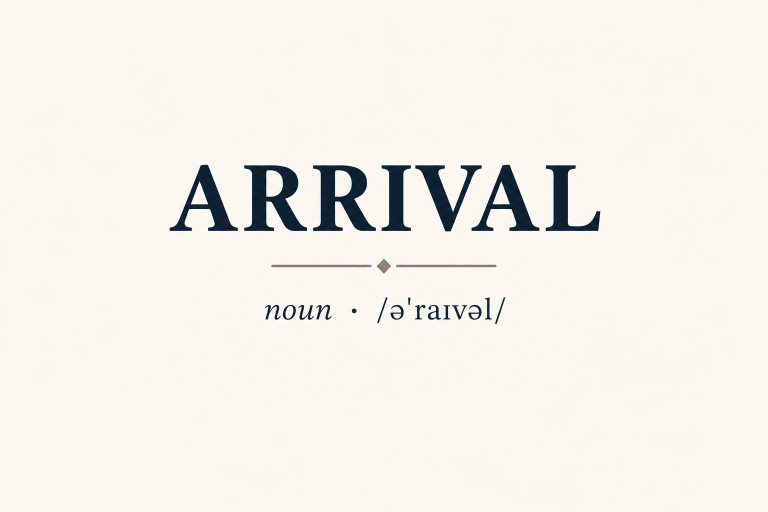

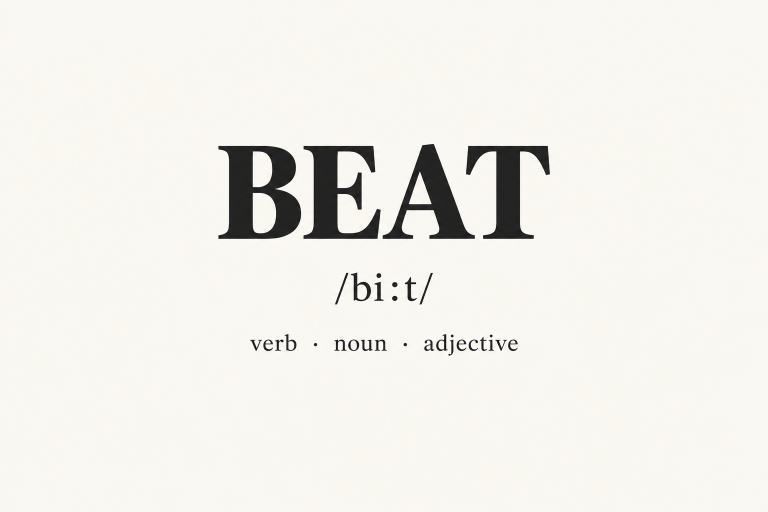
What you will find here
Star Dictionary explains words in plain language. You will find entries on word meanings, word origins, idioms and phrases, slang and translations, each one written so the answer you came for sits at the top. Every entry is checked against established dictionaries, including Merriam-Webster, Oxford, Cambridge and Collins, along with etymology references and usage examples from reputable publications. Alongside the word entries sit plain guides to StarDict, the free desktop dictionary program, for anyone who still keeps it on their computer.
How to read an entry
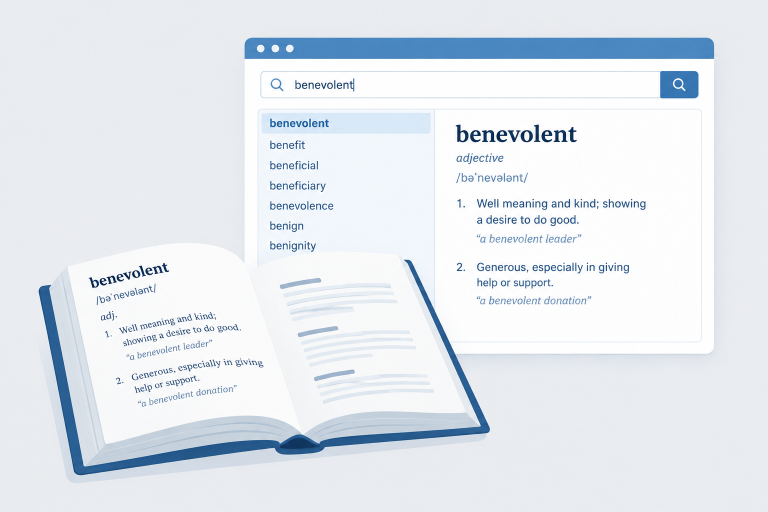
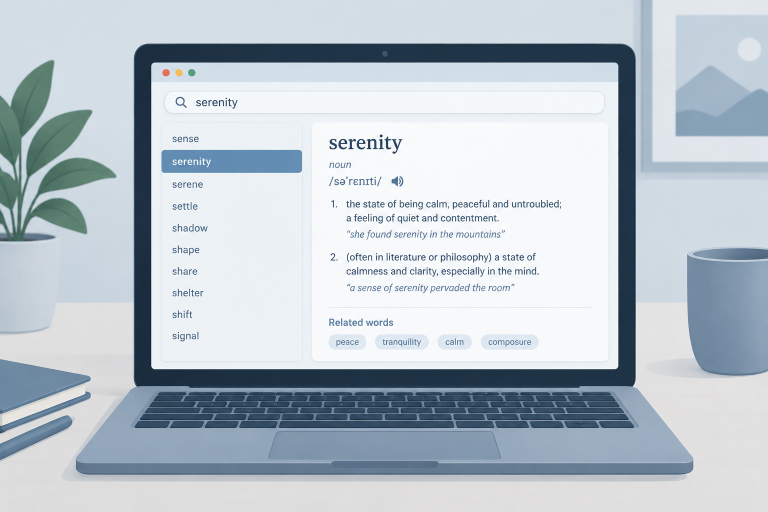
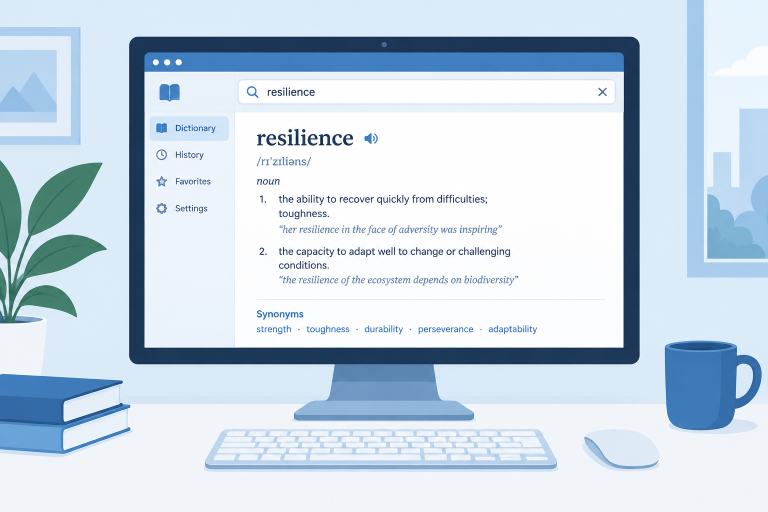
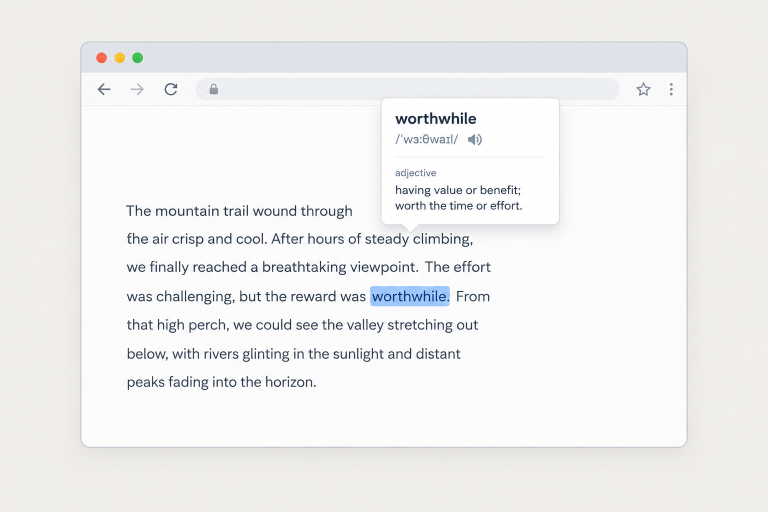
Each entry follows the same order, so you can jump straight to the part you need.
- Part of speech
- Shows whether the word works as a noun, verb, adjective or another word class in the sense given.
- Pronunciation
- Written in the International Phonetic Alphabet between slashes, so every sound has one fixed symbol.
- Meanings
- Numbered in order of use, with the most common meaning listed first.
- Origin
- Traces where the word came from and when it first entered English.
- Examples
- Real sentences from published writing show the word in use.
- Related words
- Synonyms and words that grow from the same root, so you can widen your vocabulary.


About the StarDict program
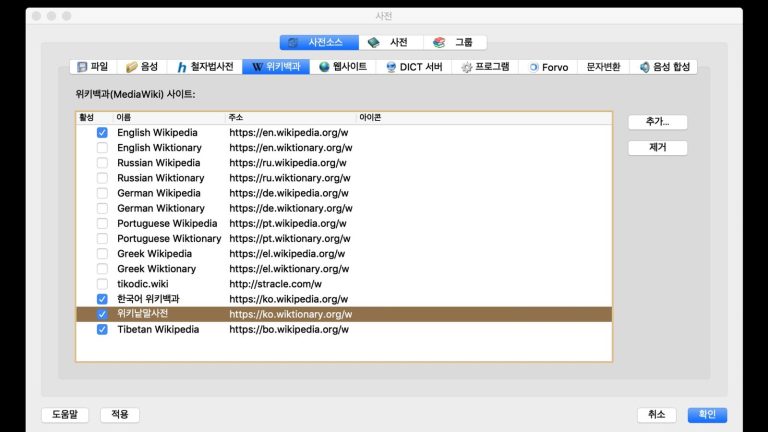
StarDict is a free, open-source dictionary program for the desktop, created by Hu Zheng. It reads dictionaries stored in its own file format, a set of .ifo, .idx and .dict files. Until about 2013 this domain carried the program’s website. Its developers now look after StarDict on their own project pages, and Star Dictionary has no connection with them. Some of the old help pages are kept here, brought up to date, for people who still use the program.
Questions
What does etymology mean?
Etymology is the study of where words come from and how their form and meaning have changed over time. An origin note on this site traces a word back through the languages it passed through, such as Latin, French or Old English, and says when it entered English.
How are pronunciations written on this site?
This site writes pronunciations in the International Phonetic Alphabet, placed between slashes, so the word “word” appears as /wɜːd/ in British English. One symbol stands for one sound, which keeps transcriptions consistent from entry to entry in a way that ordinary English spelling cannot.
Can the StarDict program still be used?
Yes. Its developers still look after StarDict on their own project pages, and the program reads dictionaries in its .ifo, .idx and .dict format on desktop computers. The help pages kept here have been brought up to date for current users, while support for the program itself comes from its developers.
How do you report a mistake in an entry?
Use the contact page and name the entry, the part that looks wrong and, if you can, a source that supports the correction. Corrections are checked against the same dictionaries and references as the original entry, and every change made is dated on the page.